
Botanical Ingredient
Parsley
Petroselinum crispum
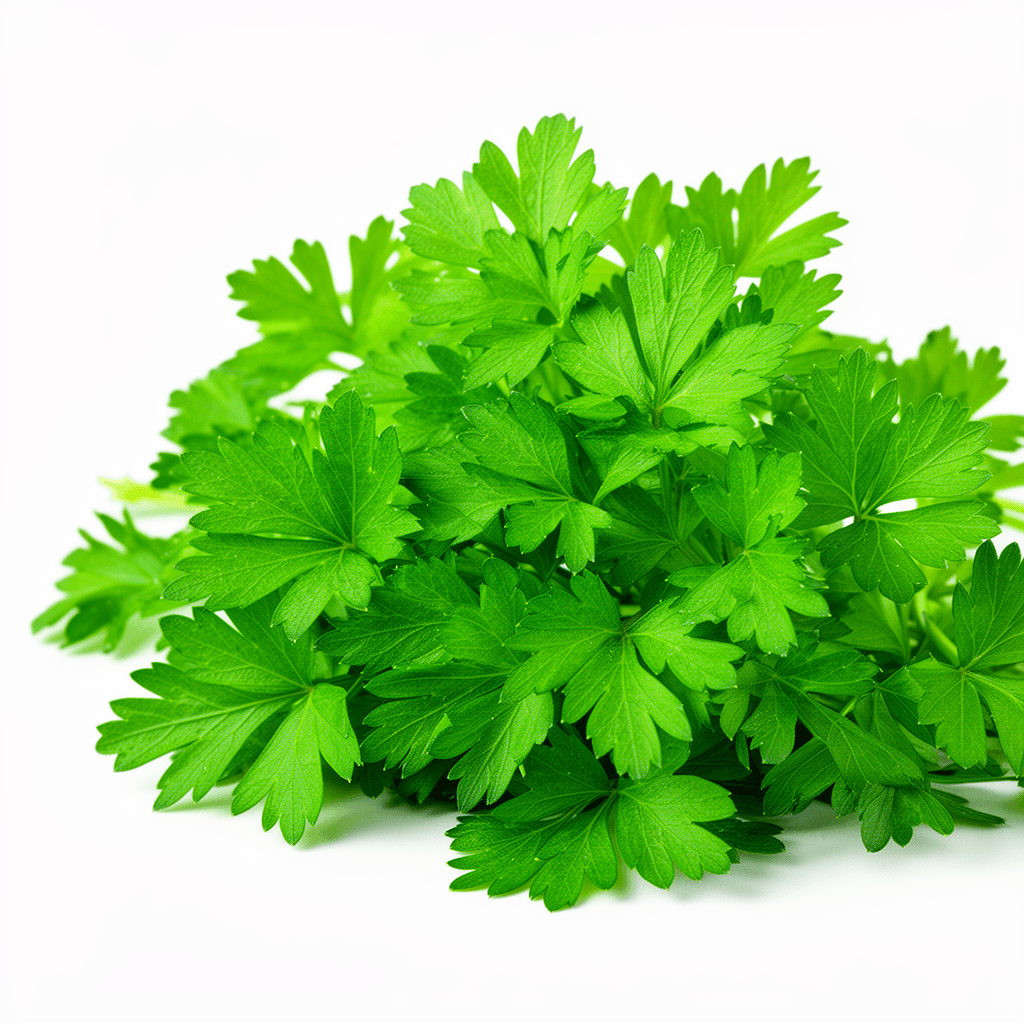
Parsley is far more than a garnish — it is one of the most nutrient-dense herbs in the garden, packed with vitamins K, C, and A, flavonoids including apigenin and luteolin, and volatile oils such as myristicin, limonene, and eugenol. In traditional herbalism from the Mediterranean to the Middle East, parsley has been used as a diuretic, anti-inflammatory, and skin brightener. Apigenin, one of parsley's primary flavonoids, has been studied extensively for its anti-inflammatory and antioxidant activity with documented effects on skin health.
Traditional Uses
- Traditional diuretic and kidney tonic
- Anti-inflammatory for joints and skin
- Topical skin brightener in Mediterranean folk medicine
- Antioxidant skin support
- Digestive herb across many global traditions
Key Properties
Our Sourcing
Parsley grows in InVine's Florida garden as a biennial, thriving through the cooler fall and winter months in Tallahassee's mild climate. We harvest the fresh leaves and dry them gently to preserve their flavonoid content before infusion.
Why We Use It
[Janice to complete] Why parsley earns its place in the garden and what drew you to grow it.