Botanical Ingredient
Oregano
Origanum vulgare
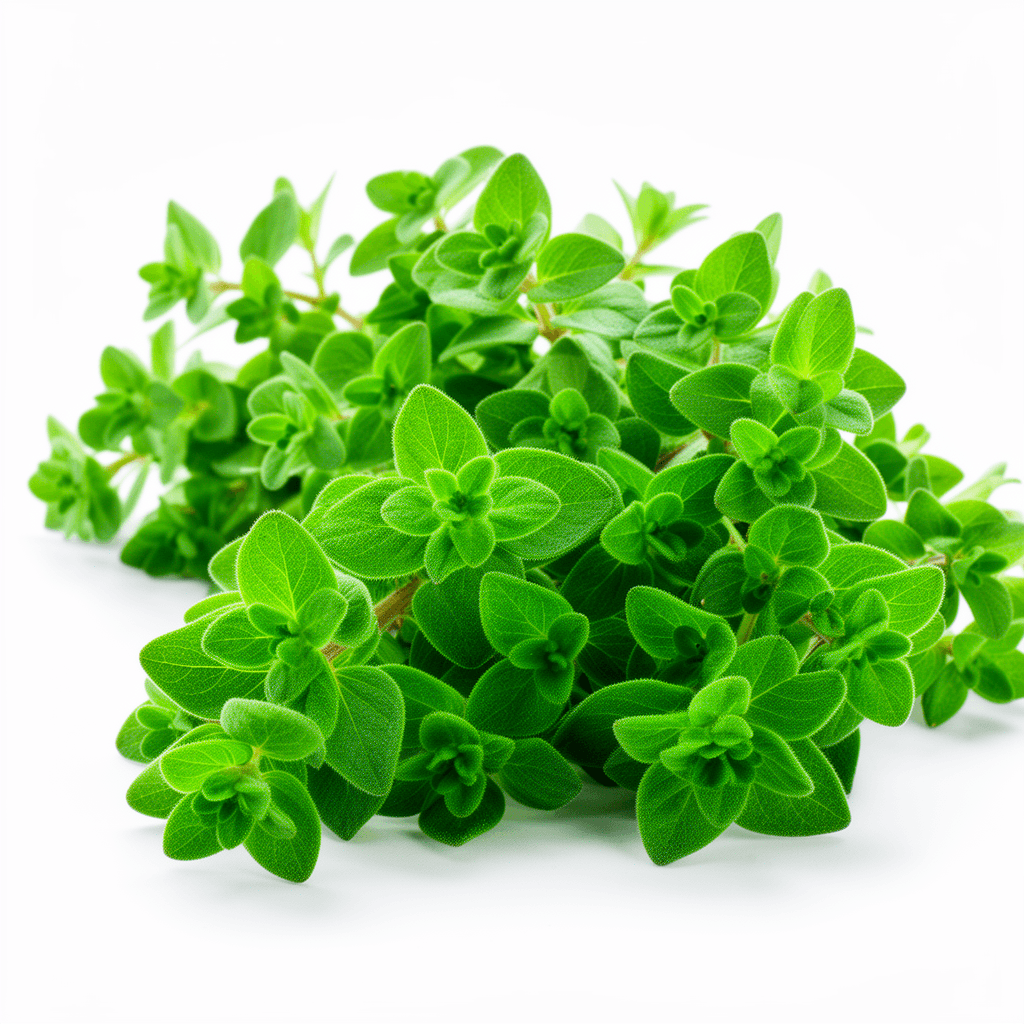
Oregano is one of the most medicinally potent herbs in the Lamiaceae family, with an essential oil profile dominated by carvacrol and thymol — two phenolic compounds among the most studied for antimicrobial, antifungal, and anti-inflammatory properties. Native to the Mediterranean but naturalized in warm climates worldwide, oregano has been used in traditional medicine for thousands of years as a respiratory herb, wound treatment, and general antimicrobial. Its medicinal strength far exceeds its culinary familiarity.
Traditional Uses
- Antimicrobial treatment for minor skin infections
- Traditional respiratory support and decongestant
- Anti-inflammatory poultice for wounds and joint pain
- Antifungal skin applications
- Greek and Roman remedy for bites, stings, and skin irritation
Key Properties
Did You Know
Oregano's name comes from the Greek 'oros ganos' — joy of the mountain. Ancient Greeks believed it was created by Aphrodite as a symbol of happiness.
Our Sourcing
Oregano grows vigorously in InVine's Florida garden year-round, returning each season as a woody perennial. We harvest the leaves just before flowering — when carvacrol and thymol concentrations peak — then dry them slowly to preserve their volatile oils.
Why We Use It
[Janice to complete] Why oregano earns its place in the garden and what drew you to grow it.