
Botanical Ingredient
Galangal
Alpinia galanga
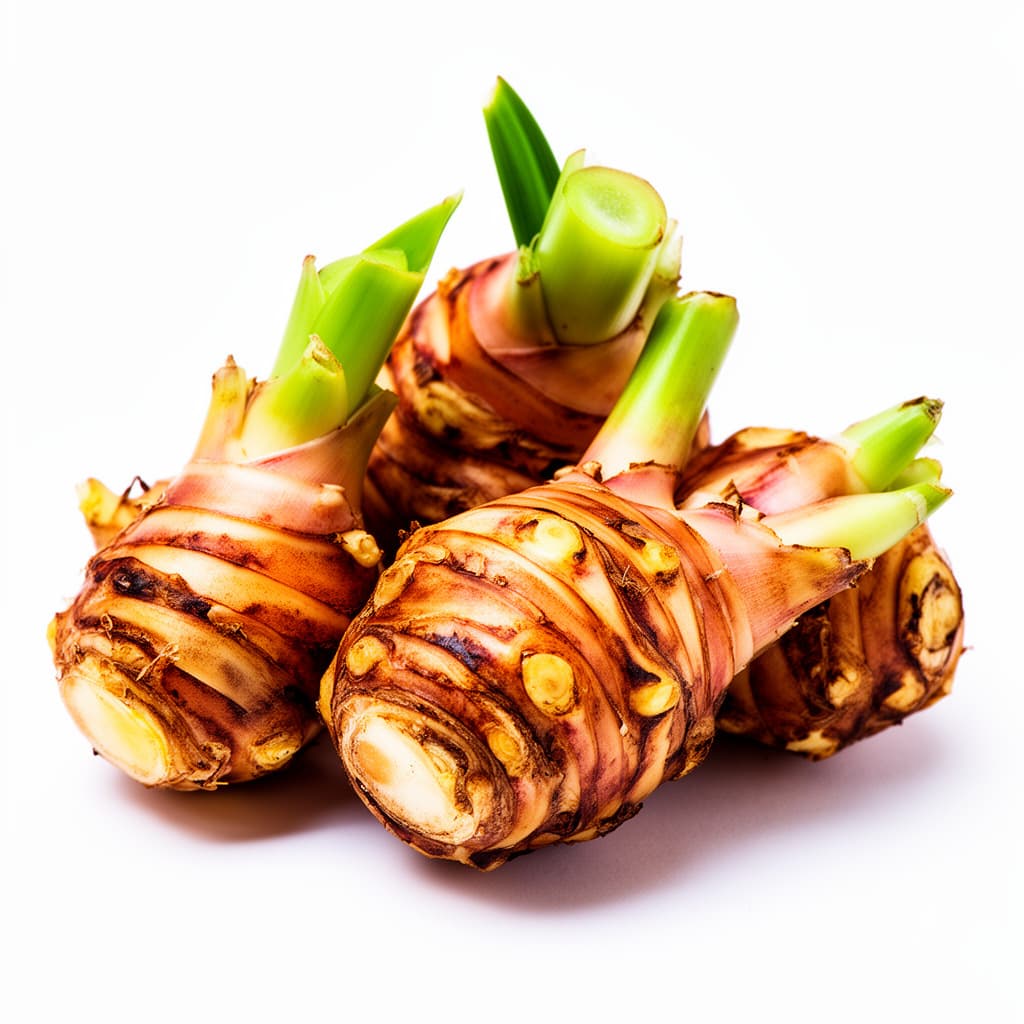
Galangal is a rhizome in the ginger family (Zingiberaceae) native to Southeast Asia, where it has been used for over a thousand years in Ayurvedic and traditional Chinese medicine. Its root contains galangin, alpinetin, and acetoxychavicol acetate — compounds that produce a pronounced warming, anti-inflammatory effect on muscle and connective tissue. Closely related to ginger and turmeric, galangal brings a sharper, more peppery heat that penetrates deeply into sore or stiff tissue when applied topically.
Traditional Uses
- Topical warming compress for joint and muscle pain
- Anti-inflammatory for arthritic and rheumatic conditions
- Antimicrobial skin treatment in Ayurvedic practice
- Digestive aid (internal use) across Southeast Asian traditions
- Circulation stimulant applied to cold or stiff extremities
Key Properties
Did You Know
Galangal was known in medieval Europe as 'spice of the Orient' and was prescribed by Hildegard von Bingen in the 12th century as a heart tonic and warming remedy — centuries before its active compounds were identified by modern science.
Our Sourcing
Galangal is grown in InVine's botanical garden in Tallahassee, Florida, where the subtropical climate closely mirrors the warm, humid conditions of its native Southeast Asian range. Like ginger and turmeric — its close botanical relatives — it thrives in Florida's long growing season. We harvest the rhizomes at maturity, dry them slowly at low temperature, and infuse them in cold-pressed organic oils to preserve the full spectrum of warming compounds.
Why We Use It
Galangal brings a distinct depth to warming formulas that ginger alone cannot. Where ginger is broadly warming, galangal's galangin compound adds a sharper, more penetrating quality — the kind of heat that reaches into deep tissue rather than sitting at the skin surface. Paired with the other rhizomes in our garden, it creates the layered botanical warmth that makes a real difference in tired, sore muscles.